The framework
The 12 Brand Archetypes
In 1919, the Swiss psychiatrist Carl Jung proposed something radical: beneath our personal memories lies a deeper, older layer — a collective unconscious stocked with universal character patterns he called archetypes. The sage, the hero, the trickster, the caregiver. They surface in every culture's myths, dreams, and religions — without ever being taught. Jung's claim, built over decades of clinical work, was that these characters are standard equipment in the human mind — which means your audience was born already knowing the character your brand plays.
Thirty years later, the mythologist Joseph Campbell proved the point at civilizational scale. The Hero with a Thousand Faces(1949) traced one story skeleton — the hero's journey — through thousands of years of myth from every continent. Hollywood has never recovered: George Lucas openly built Star Wars on Campbell's map, and screenwriting has treated it as load-bearing architecture ever since. The same twelve characters, wearing ten thousand costumes, for as long as humans have told stories.
The branding application arrived in 2001, when Margaret Mark and Dr. Carol Pearson — who had spent twenty years developing the twelve-archetype system for individual psychology — published The Hero and the Outlaw, organizing the twelve around four deep human drives and showing, with market data, that the most valuable brands in the world hold one archetype with unusual discipline. In the two decades since, the framework has become quiet standard practice inside agency strategy decks and Fortune 500 brand books. The biggest brands didn't vote on whether this works. They just use it.
Why does it work? Because the human brain is a story engine, not a spreadsheet. It cannot hold seventeen brand attributes, but it can hold a character — instantly and forever. An archetype is pre-loaded compression: when a brand behaves like a character you were born knowing, your brain fills in the rest and trust forms years faster than logic alone could build it. That's a century of psychology, seventy-five years of story science, and twenty-five years of brand practice all pointing the same direction.
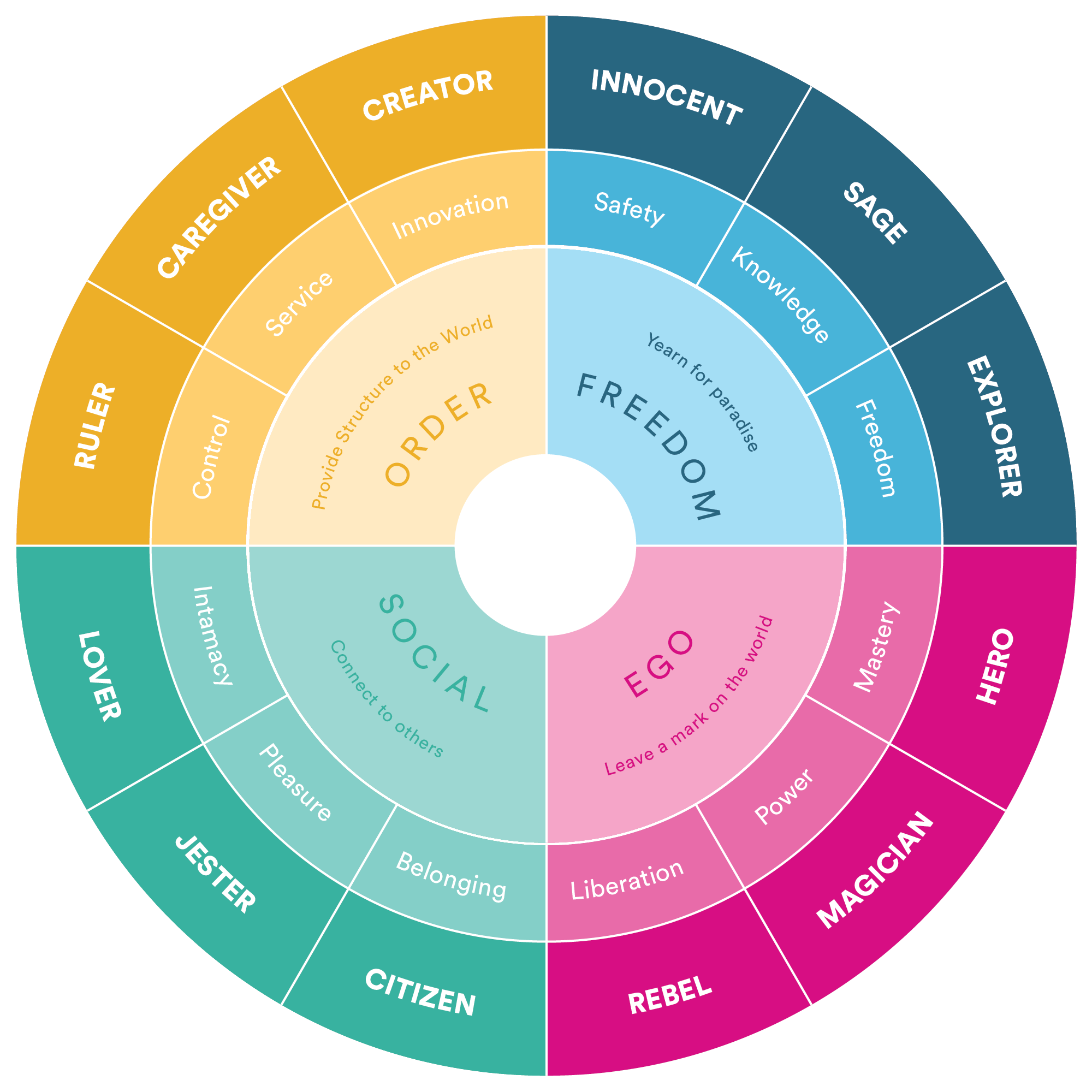
Four drives, twelve characters. Neighbors on the wheel blend well; opposites create tension. Scroll on — each drive takes the room.
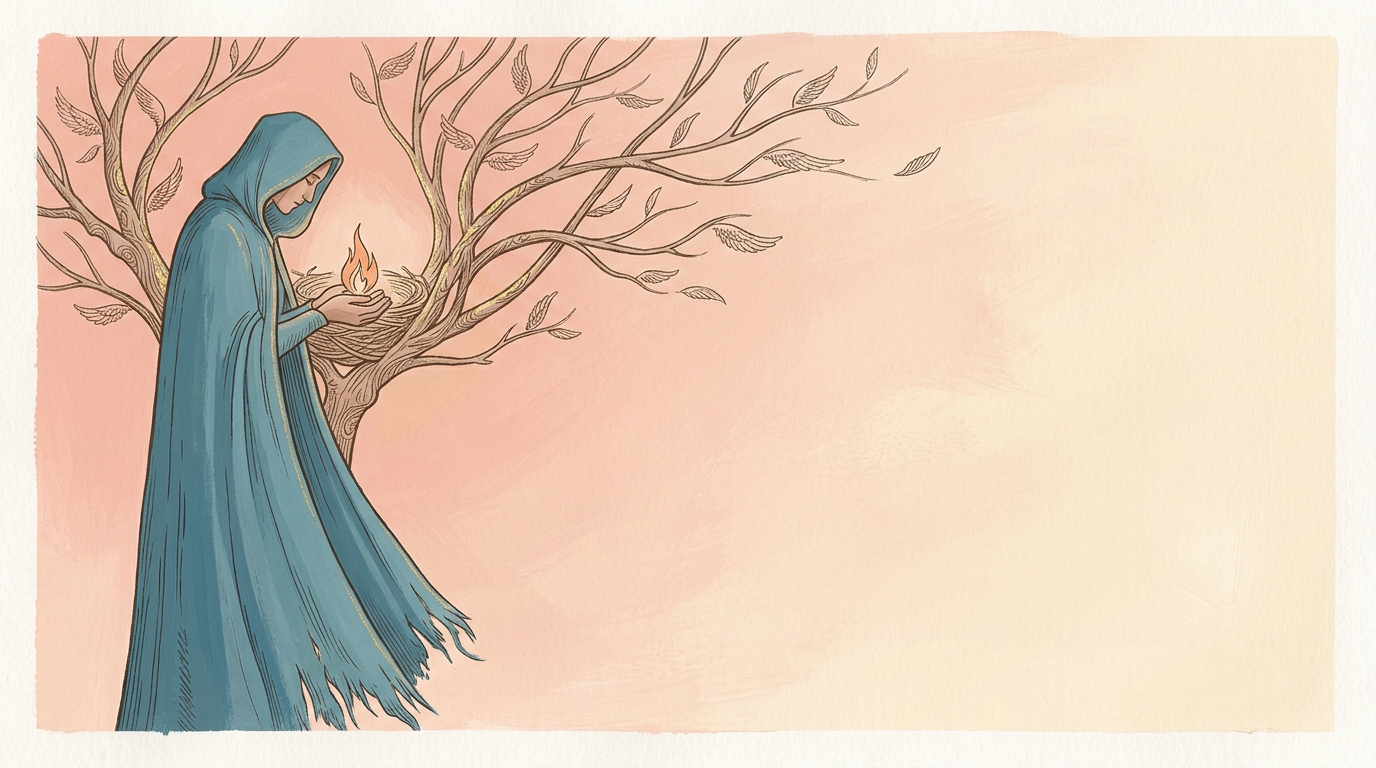
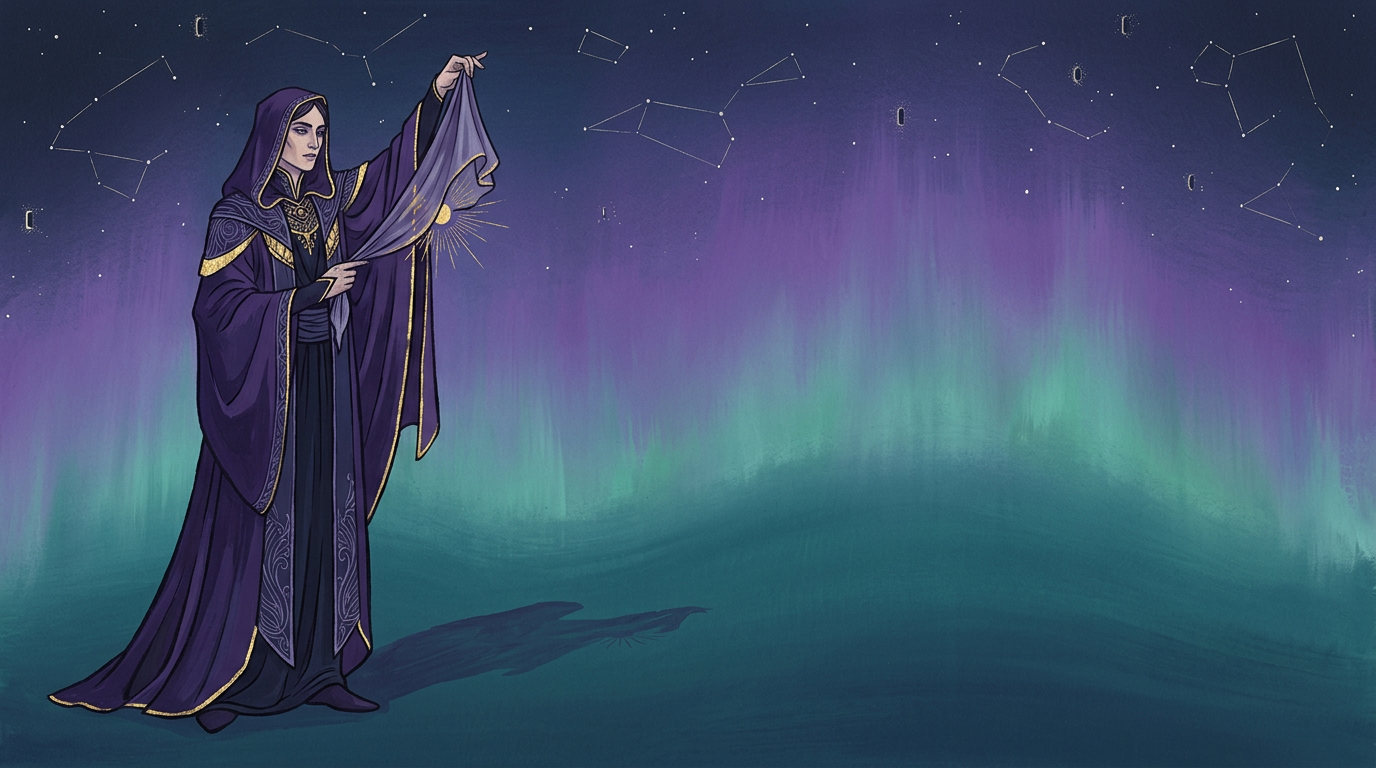
Room I · Independence / Freedom
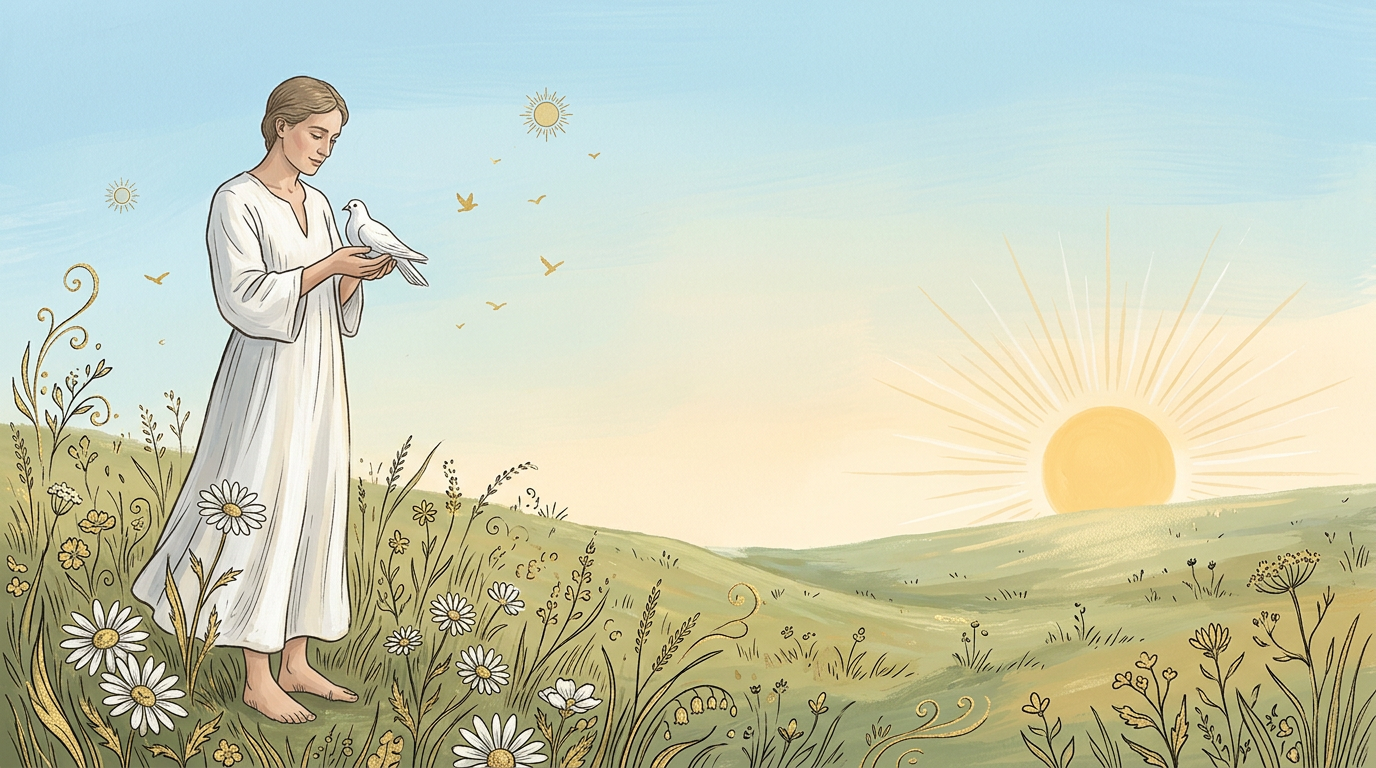
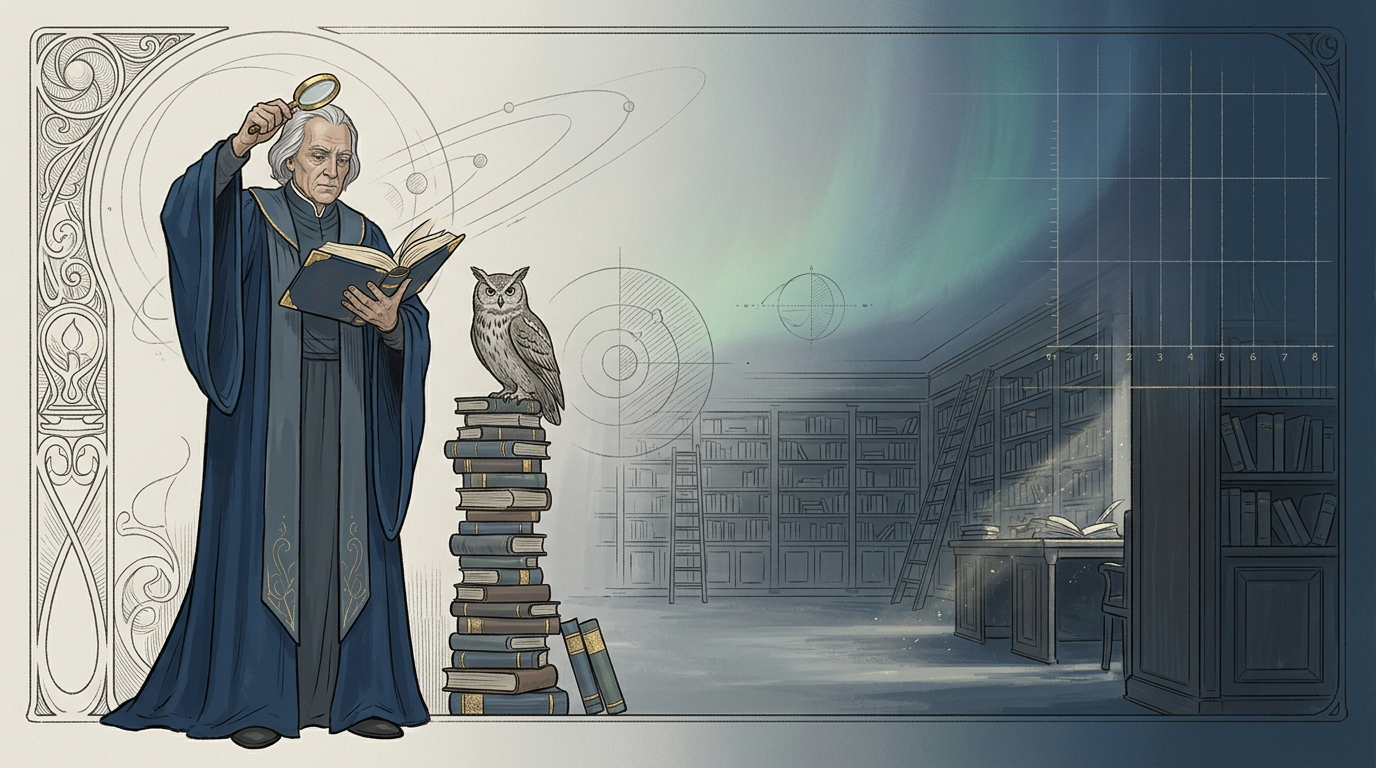
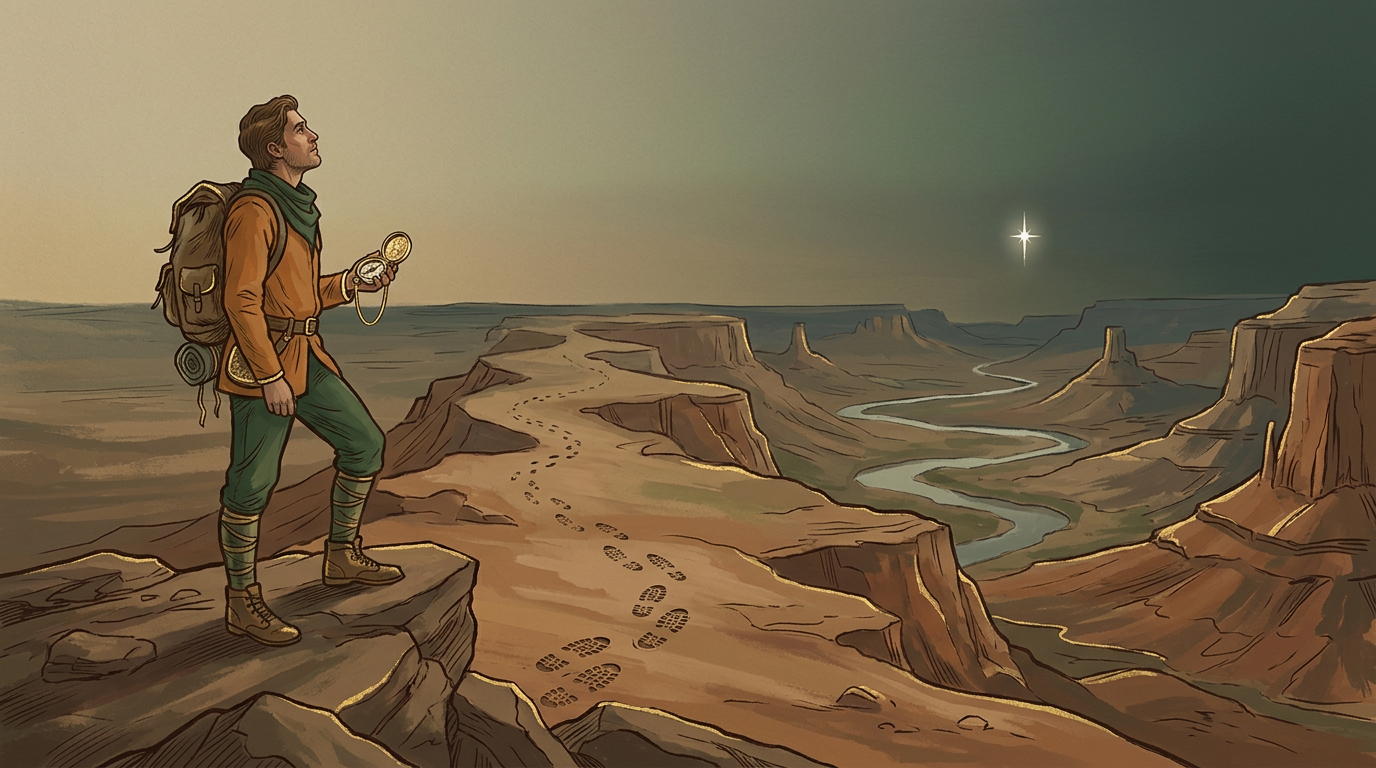
Yearn for Paradise
Find happiness, truth, and freedom




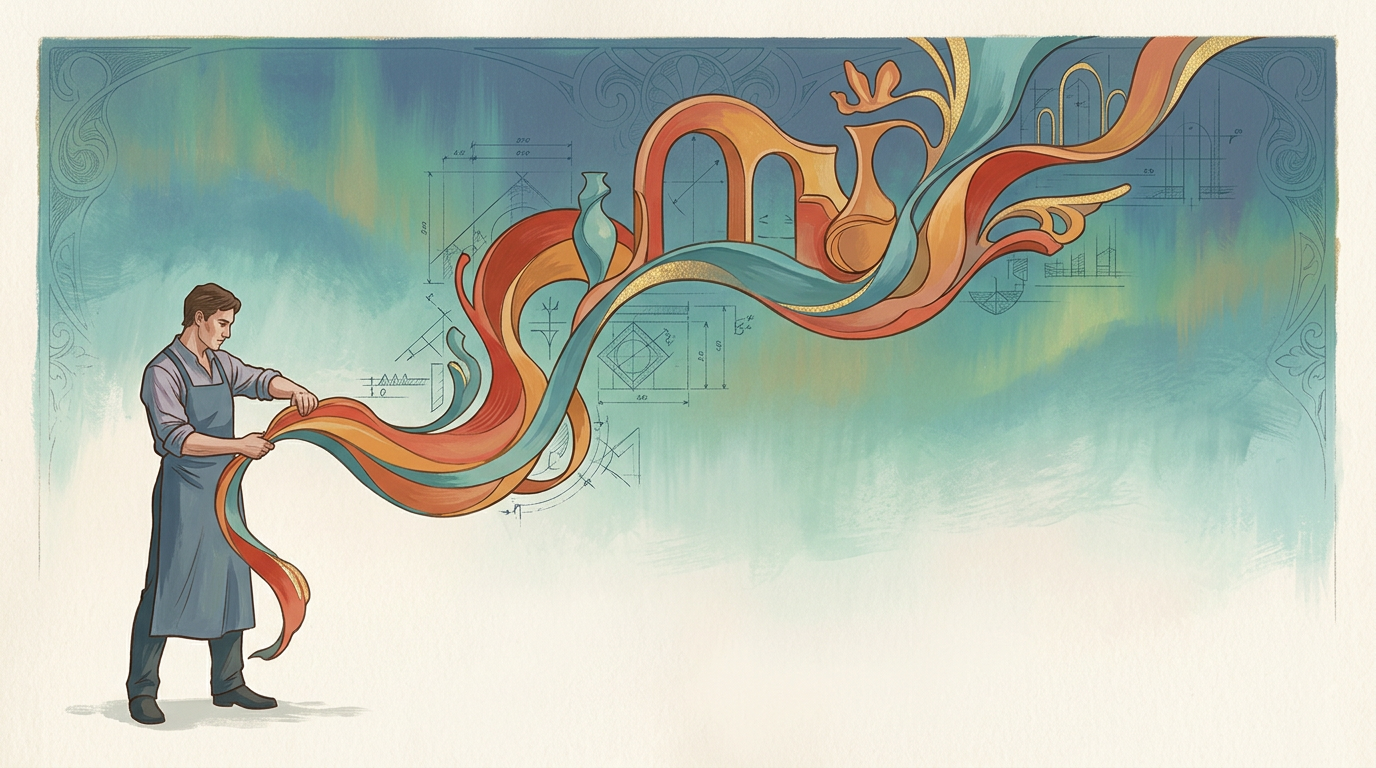
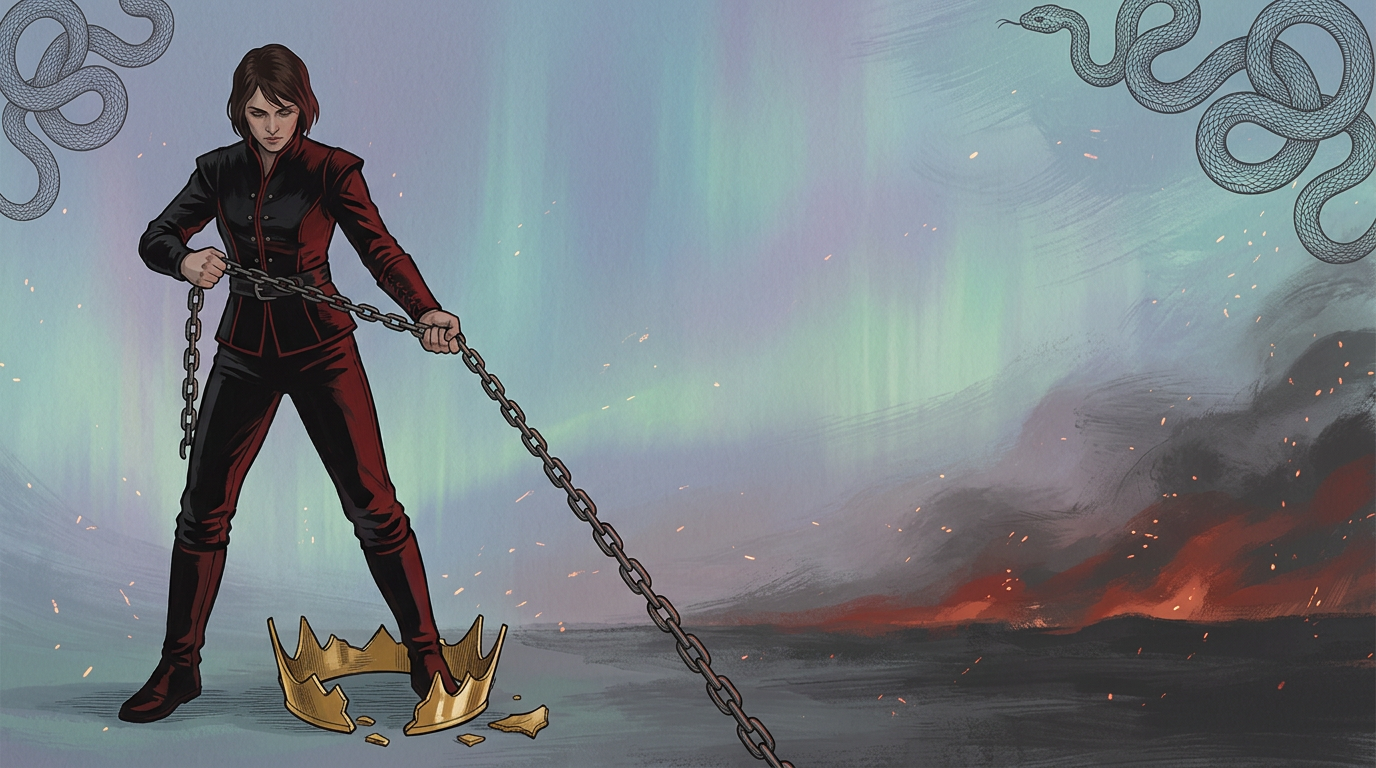
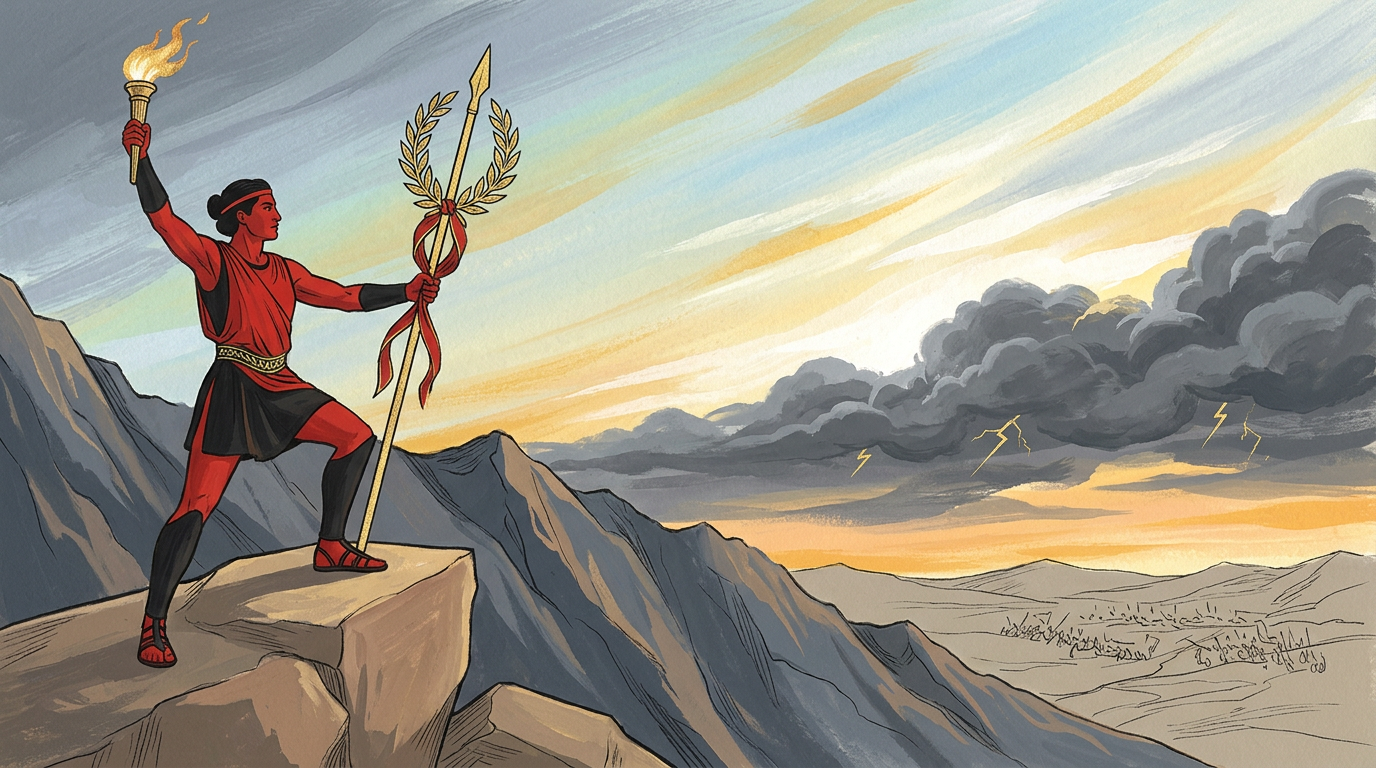
Room II · Mastery / Risk
Leave a Mark
Achieve, transform, and prove










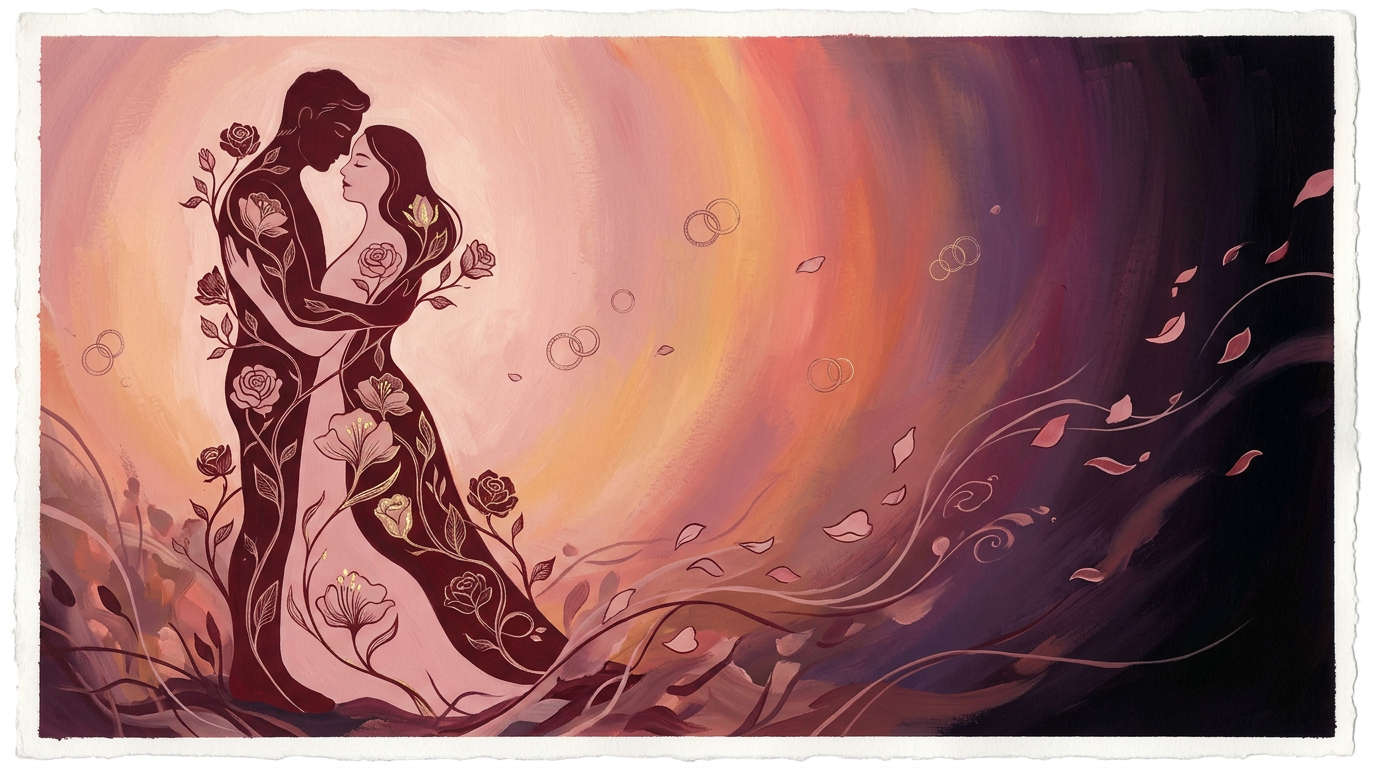
Room III · Belonging / Social
Connect with Others
Love, belong, and enjoy



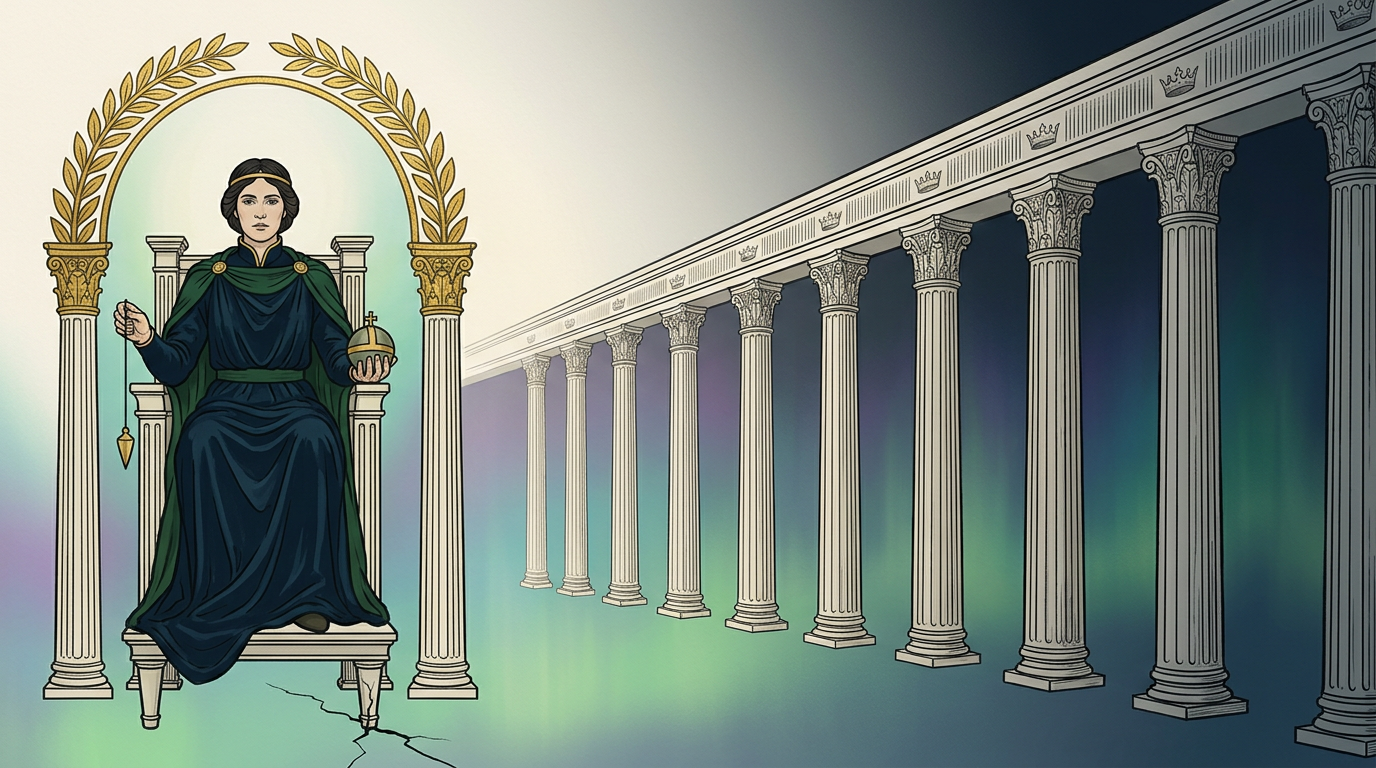
Room IV · Stability / Control
Provide Structure
Create safety, order, and excellence